From left to right:
Back row: Dr. Werning, Vicki, and Dr. Jones Guy
Middle row: Aliza, Karissa, and Emily
Front row: Annie, Sara, and Amanda
IS YOUR PET ON ANNUAL PREVENTATIVES FOR HEARTWORM DISEASE, FLEAS, LYME DISEASE, ETC?
If not, we can help!
THE BEST CARE FOR YOUR BEST FRIEND
Call today to schedule an appointment for your pet.
WELCOME TO BLUE GRASS VETERINARY HOSPITAL-STOP BY FOR A TOUR!
Located just west of the Quad Cities in beautiful Blue Grass, Iowa
NEW PUPPY OR KITTEN IN YOUR FAMILY?
See our "Special Offers" tab for information on our Puppy and Kitten Packages!
SMALL MAMMALS TOO!
Saying Goodbye Can Be Tough
We try to make this process as smooth as possible for all involved.
We celebrated 10 years of service in 2022!
Our practice was opened by Dr. Joyce Werning on March 1, 2012.
Poop Happens!
We are capable of handling the yucky jobs to make sure your pets are healthy!
THE FINEST IN VETERINARY CARE
All animals deserve compassionate veterinary care.
MEET DR. WERNING: OUR PRACTICE OWNER!
We are a Certified Cat Friendly Practice!
THE BEST CARE FOR YOUR BEST FRIEND
All animals deserve compassionate veterinary care. Call today.
MEET DR. JONES GUY!
-Our Associate Veterinarian
THE FINEST IN VETERINARY CARE
We are dedicated to providing excellent care. Call to learn more.
Having Problems with a Difficult Dog?
Our Registered Technician, Amanda, is also part dog-whisperer and has over 15 years of experience working with dogs with various behavioral problems. Private appointments available!
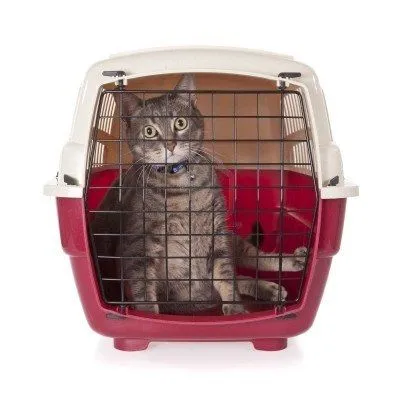
How do I transport my cat to the veterinarian?
The carriers that are usually easiest to use are the hardsided carriers that open from the top and the front, and can also be taken apart in the middle. An easily removable top allows a cat which is fearful, anxious or in pain to stay in the bottom half of the carrier once opened. Avoid carriers that require a cat to be pulled from or dumped out for an exam. Carriers should be seat belted into a car to keep your cat safer and to reduce the bumpiness of the ride. Some cats like to see out, whereas others are less anxious when the carrier is covered with a blanket or towel to prevent seeing the unfamiliar.
The goal is for your cat to associate the carrier with positive experiences.
* Make the carrier a familiar place at home by leaving it in a room where your cat spends time.
* Place familiar soft bedding in the carrier with their scent or clothing with your scent.
* Place treats, catnip or toys inside the carrier to encourage the cat to enter the carrier.
It may take days or weeks for your cat to learn to associate the carrier with positive experiences. If your cat needs to go to the veterinarian right away, and is not yet accustomed to the carrier, the following steps may help:
* Start by putting the carrier and your cat in a small room together. Go slowly. Do not chase the cat to get him/her into the carrier.
* If your cat does not walk into the carrier, you may remove the top of the carrier. Gently cradle your cat and lower them into the bottom of the carrier or the opening of the carrier. Lowering your cat in from the bottom end (tail) first is sometimes helpful.